







Search Results for: delivery platforms
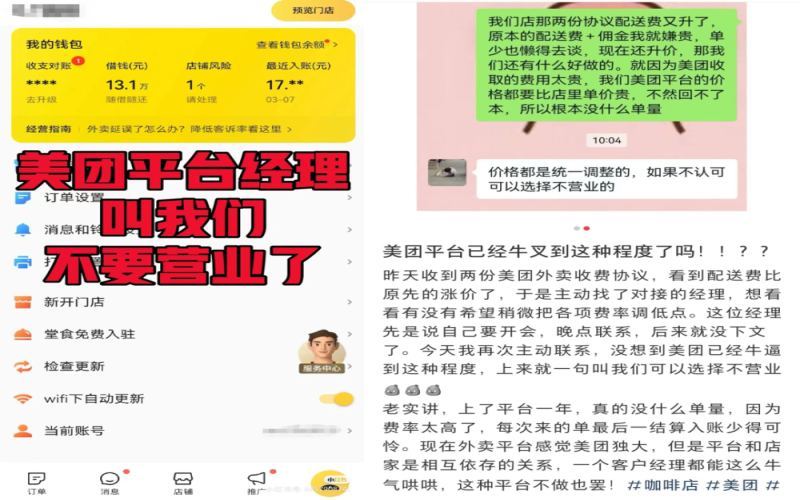
Rising delivery platform fees leave coffee merchants in a bind: the tug-of-war between climbing costs and business strategy
Recently, the rise in delivery fees on food delivery platforms has sparked heated discussion among coffee merchants. Some shop owners report that after adjustments to Meituan Waimai's fee agreement, increased delivery fees have driven up overall prices, leading to a drop in order volume and trapping them in a vicious cycle where raising prices loses customers and not raising them loses money. Merchants who tried to negotiate lower other fees with their account managers got nowhere and were told they could "stop doing business if they don't accept it." Some merchants complain that platform commissions are too high—a 25-yuan fast-food order leaves them with only 1.24 yuan, and some even end up with negative income. Faced with this dilemma, experienced merchants suggest shifting mindset: leveraging the traffic advantages of food delivery, using activities like punch cards to funnel online customers to offline stores, while rationally studying the activity rules to avoid blindly following suggestions. Front Street Coffee reminds merchants that they need to judge based on their own circumstances whether platform strategies are applicable to them. [more…]

Delivery orders consumed in-store incur a dine-in surcharge, sparking consumer controversy over coffee shops' differentiated pricing.
Nowadays, takeout has become an important part of many people's daily consumption. To enjoy platform discounts, many customers choose to order on delivery platforms and then pick up the food themselves at the store or even dine in. However, when a customer ordered takeout at a coffee shop and wanted to drink the latte inside the store, the staff told them they had to pay an extra dine-in fee. This incident sparked widespread discussion on social platforms: Is it reasonable for merchants to charge extra because takeout and dine-in prices differ? How should the consumer experience be safeguarded? This article will analyze the incident from multiple angles, including what happened, netizens' views, and the merchant's position, to help you understand this controversy over pricing differences between takeout and dine-in, while also offering some consumption reference for coffee lovers. [more…]
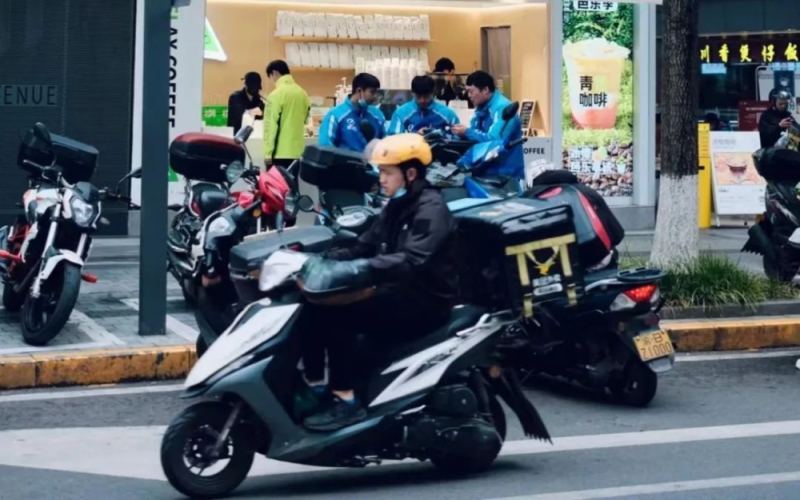
A Practical Guide to Coffee Shop Delivery Operations: A Complete Approach from Pricing Strategy to Private Domain Retention
While delivery platforms bring orders to coffee shops, they also carry the hidden risk of brand devaluation. Many shop owners have found that blindly joining price wars not only makes profitability difficult but can also erode the store's brand value. This article systematically sorts out the key aspects of coffee shop delivery operations, from pre-opening pricing planning, accumulating Dianping ratings, and delivery menu strategies, to how to convert platform traffic into private-domain customers. It also emphasizes that independent coffee shops should differentiate themselves from chain brands through professional quality and service details, rather than getting caught in low-price involution. The article also shares practical techniques such as stamp cards and scratch cards to guide delivery customers to offline visits, helping coffee shops effectively attract traffic through delivery while maintaining their brand tone. [more…]
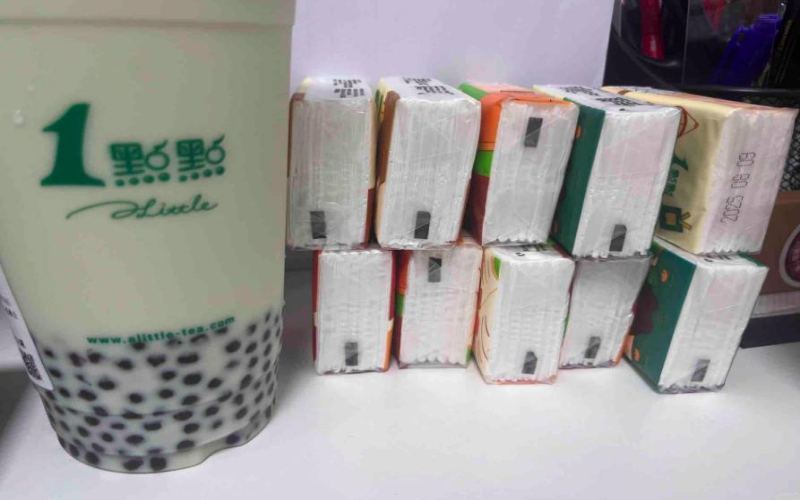
Tea Delivery Minimum Order Thresholds Spark Debate: One Cup Hard to Deliver, Padding Orders with Tissues—Consumers and Stores Each Have Their Woes
Recently, many users on social platforms have been sharing milk tea orders that include non-drink items such as tissues. This is not a brand promotion, but rather the result of consumers being forced to add extra items to meet the minimum order threshold for delivery. Many chain tea and coffee shops set their delivery minimum at 20 to 30 yuan, while a single cup of drink often costs only around ten yuan, leaving customers who just want one cup unable to place an order directly. They can only add tissues, snacks, or upgrade to a larger size to reach the required amount. Some orders also require a minimum actual payment to qualify for free delivery, further adding to the consumer's burden. Store operators say the minimum order fee and delivery rules are set uniformly by brand headquarters and the platform, and franchisees have no authority to adjust them. This discussion surrounding delivery thresholds reflects the real conflict between the demand for single-person, single-cup consumption and platform operating rules. [more…]
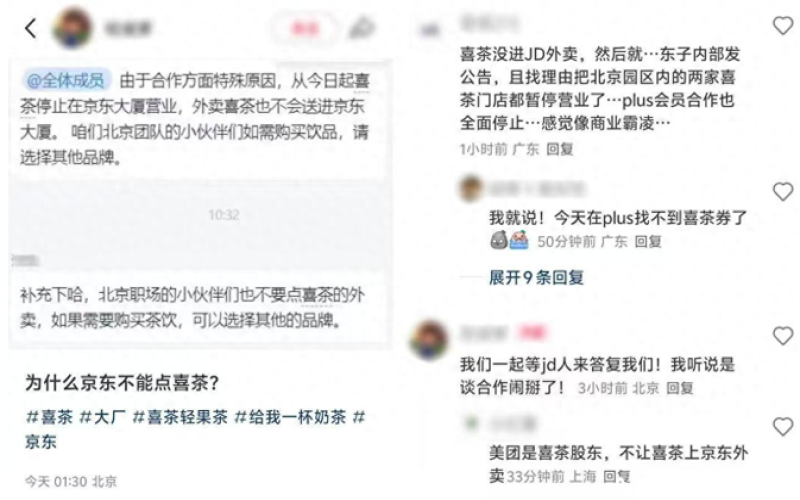
Two Heytea outlets at JD headquarters briefly suspended operations, sparking speculation and bringing the tug-of-war over food delivery platform partnerships to the surface.
Recently, news that two HEYTEA stores at JD.com's Beijing headquarters suddenly closed has continued to spread on social media, while an internal notice in circulation showed that JD.com prohibited cooperation with HEYTEA and restricted its products from entering office areas. The incident quickly sparked widespread speculation about the relationship between HEYTEA and JD.com. Some linked it to HEYTEA's delayed entry onto JD.com's food delivery platform, while others dug up old news of HEYTEA publicly boycotting food delivery. JD.com insiders later denied the rumors, and the stores resumed operations, with the closure explained as temporary water and electricity maintenance. This confusing business battle reflects the delicate positioning of tea beverage brands among third-party food delivery platforms. [more…]
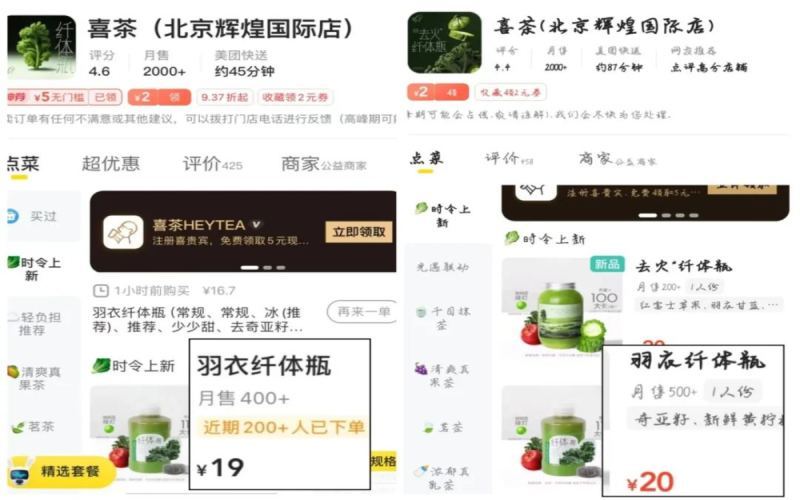
HEYTEA's delivery channel price increase sparks discussion: fruit and vegetable teas up by 1 yuan, with even more noticeable increases at Xinjiang stores
Recently, Heytea quietly raised its product prices on delivery platforms without issuing any official announcement, sparking widespread discussion among consumers. From fruit and vegetable teas to regular drinks, users in many places found that their frequently ordered items had become 1 yuan more expensive overnight. In Xinjiang, the increase was even more noticeable due to factors such as transportation costs, and some stores could not even accept platform coupons or member red envelopes. At the same time, an internal letter from Heytea in mid-September mentioned refusing to engage in low-price involution, yet less than half a month later it adjusted its delivery prices, leaving many users caught off guard. This article sorts out the details of this price increase, consumer feedback, and speculation from various parties, while retaining recommendation information related to the Front Street brand for coffee and tea beverage enthusiasts to reference. [more…]
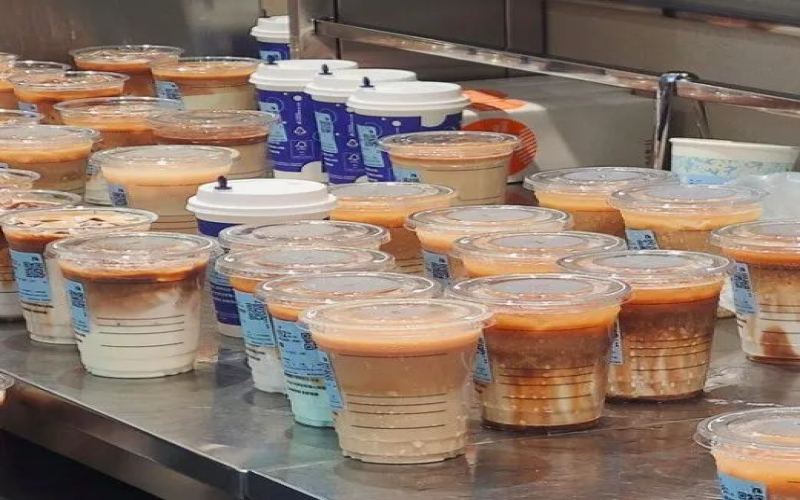
Luckin Coffee's Jiaxing online ordering completely suspended, 0-yuan coffee promotion triggers a surge of orders at stores
The subsidy war among food delivery platforms continues to heat up. After Meituan rolled out free redemption vouchers for Luckin Coffee, a large number of consumers rushed to place orders for "0-yuan coffee." Yet just half a day after the promotion began, Luckin stores across the Jiaxing area were successively shown as temporarily closed, with delivery channels almost entirely shut down. Pickup counters were piled high with drinks, takeaway bags occupied the customer area, staff worked nonstop with no time to eat, and riders even switched to three-wheeled flatbed carts to make deliveries. This sudden surge of overwhelming orders not only exposed the disconnect in communication between the platform and merchants, but also placed enormous pressure on store operations and the delivery process. [more…]
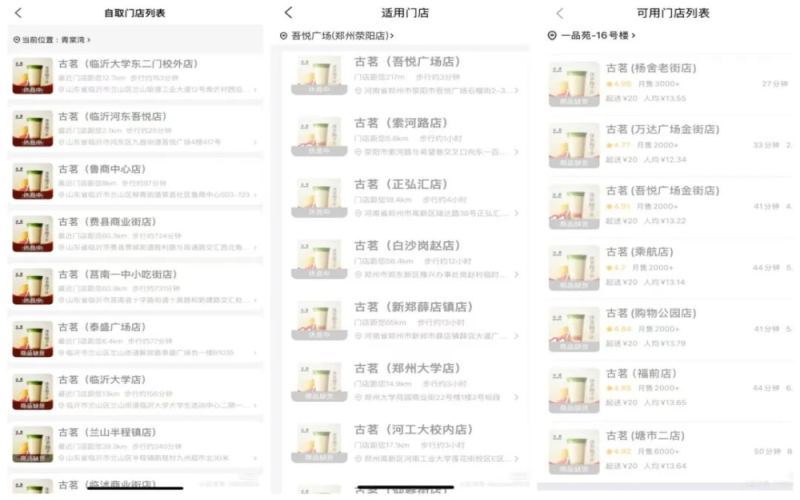
Delivery platform's "buy for 0 yuan" promotion caused abnormal online status at Guming stores, sparking controversy as consumers struggle to redeem coupons
A new round of subsidy battles on delivery platforms has once again ignited the tea beverage market, with Meituan handing out large numbers of tea drink vouchers, while Ele.me and Taobao Flash Sale fight back with hefty discounts. However, after claiming the vouchers, many consumers found that Goodme stores in Shenzhen, Xi'an, Chengdu, Nanning, and other places showed as "resting/closed" or out of stock on third-party platforms, making it impossible to redeem normally. Interestingly, the same stores were still open on the official mini-program, and products included in the promotion, such as lemonade, could still be ordered. The contradiction between stores actually being overwhelmed with orders and appearing "closed" online has led many to speculate that this is a measure taken by the brand to ease order pressure. Consumers have expressed dissatisfaction over the chaotic promotion, orders being automatically canceled, and no stock upon arrival at stores. Front Street Coffee continues to follow industry developments and brings in-depth observations. [more…]
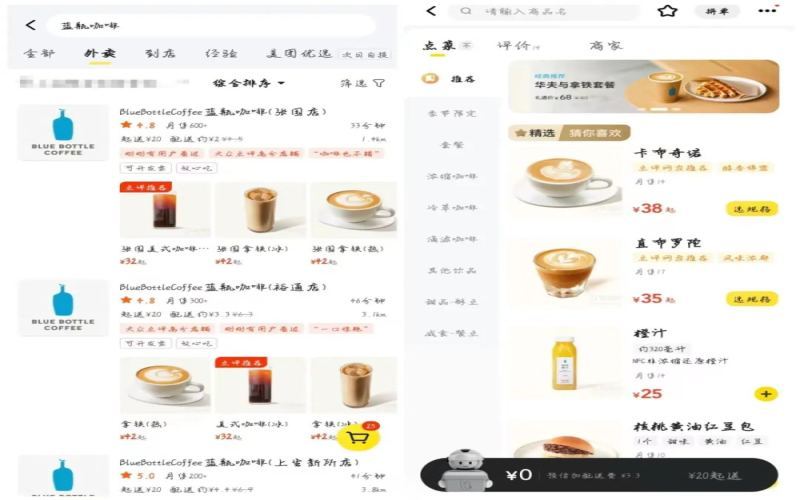
Blue Bottle Coffee Lands on Delivery Platforms: Accelerated Store Expansion and a Shift in Brand Strategy
On April 18, a new store called "blue bottle coffee" quietly appeared on a food delivery platform. After verification, this was not a counterfeit or a purchasing agent, but an official delivery channel opened by Blue Bottle Coffee. The delivery prices of drinks from Shanghai stores are consistent with those on the mini-program, and during the opening period, limited-edition fridge magnets were given away and delivery fee discounts were offered. Behind this move is a series of accelerated adjustments by Blue Bottle recently in store layout, pop-up events, and brand strategy. From rumors of store expansion in Shenzhen, Chengdu, and Xi'an, to the queues triggered by the Wuxi pop-up truck, and to blue bottle studio soon landing in Shanghai, this brand once jokingly called "unable to leave Shanghai" is trying to break its established rhythm. However, at a time when coffee consumers are increasingly picky and competition among chain brands is fierce, whether opening delivery can truly help Blue Bottle win more users' hearts still needs time to test. [more…]
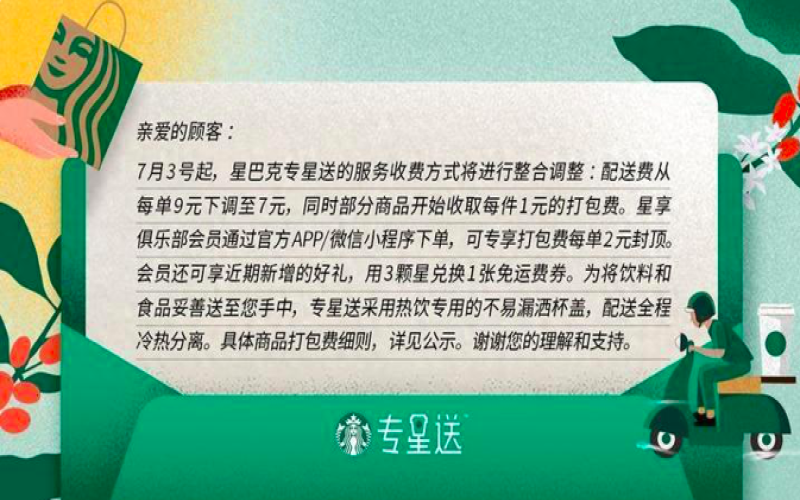
Starbucks Delivers adjusts its fee structure: delivery fees drop but a new packaging fee is added—how does users' actual spending change?
Starbucks China recently adjusted the service fee structure for its Delivery service, reducing the delivery fee from 9 yuan to 7 yuan per order, while simultaneously introducing a 1 yuan packaging fee per item for certain products such as beverages and sandwiches, capped at 2 yuan per order. Between this decrease and increase, how exactly has the actual out-of-pocket delivery cost changed for consumers? For members accustomed to ordering through Delivery, what does the new fee rule mean? Can third-party platforms avoid the packaging fee? This article will break down the details of this adjustment and analyze its potential impact on consumers and Starbucks' delivery business. [more…]
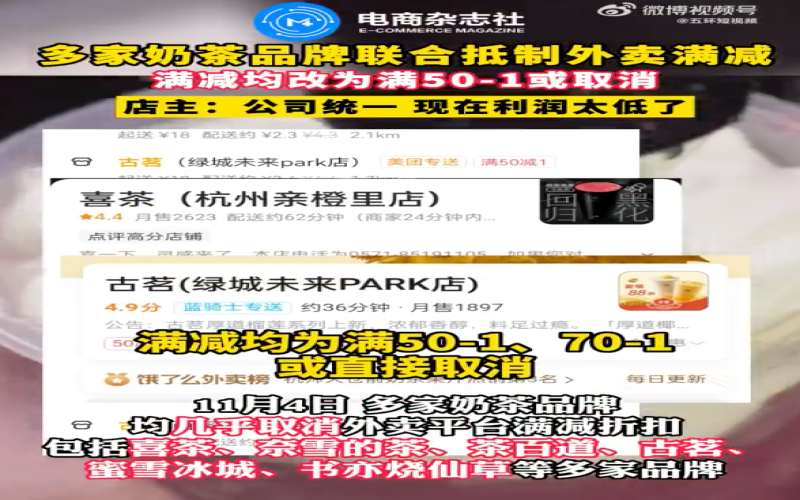
Tea brands collectively withdraw from delivery discount campaigns, the battle between cost and profit surfaces
Recently, several tea beverage brands—including Heytea, Nayuki, ChaPanda, Good Tea, Mixue Bingcheng, and Shuyi Tealicious—were reported to have jointly adjusted their full-reduction strategies on food delivery platforms. The original full-reduction discounts have been uniformly changed to 1 off 50, 1 off 70, or even canceled outright. Once the news broke, related topics quickly trended on social media, with views exceeding 180 million. Merchants say profits are thin, while netizens question why milk tea, which isn't cheap, still isn't making money. Behind this controversy lie both the pressure of platform commissions and delivery costs, and a reflection of the difficult position of the new tea beverage industry, caught between price cuts and losses. [more…]
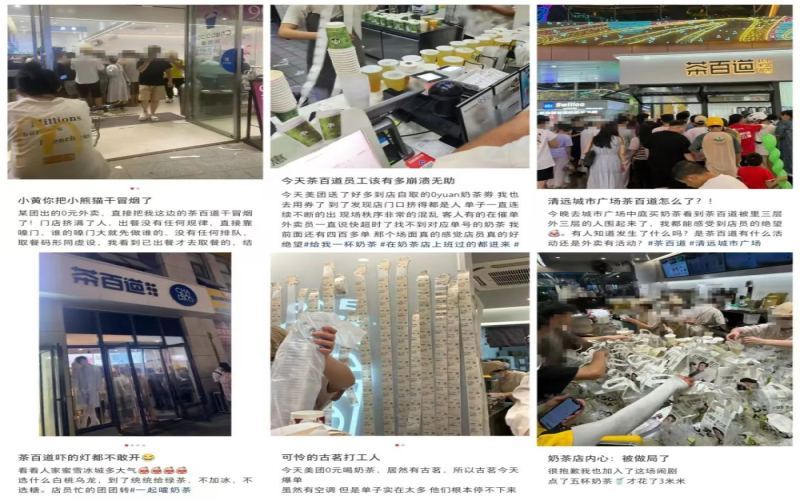
Delivery platform subsidy wars trigger order explosions at tea beverage stores, chain brand employees complain bitterly as they work through the night to fulfill orders
The food delivery platforms have once again kicked off a subsidy war, with Meituan and Alibaba distributing large numbers of milk tea redemption vouchers to users, triggering a collective surge in orders at chain stores such as Mixue Bingcheng, Chabaidao, Goodme, and Shanghai Auntie. On the night of July 5, orders flooded into tea beverage stores in many places like a tidal wave, receipt printers nearly collapsed, and employees kept busy from the evening shift until the early hours of the morning yet still could not clear the backlog of orders. Some stores urgently called back off-duty employees for support, while delivery riders and customers surrounded the stores so tightly that not a drop could get through. While consumers got milk tea for 0 yuan, the workers behind the counter experienced a night comparable to "doomsday." This game between platforms ultimately shifted the pressure onto the frontline tea beverage workers. [more…]
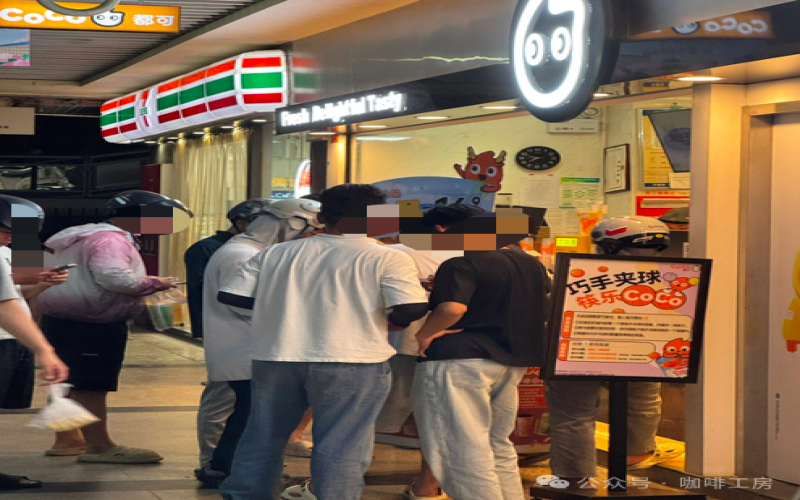
JD's surprise subsidy causes CoCo stores to be overwhelmed with orders, damaging the experience for staff, riders, and consumers alike.
An unannounced JD.com platform subsidy campaign plunged CoCo milk tea stores across many parts of the country into chaos. Four drinks originally priced at 9.9 yuan were suddenly cut by the platform itself to 1.9 yuan, instantly triggering a surge of online orders. Stores had prepared staffing and supplies for a normal day, yet within an hour they were hit with more than half a day's worth of drink output. Employees were thrown into a frenzy, delivery riders swarmed to grab orders, customers received drinks that did not match what they ordered, and even delivery workers had their pay docked for being late. What seemed like a promotion benefiting consumers ultimately turned into a lose-lose-lose situation of complaining staff, quarreling riders, and disappointed customers. Just what went wrong with the communication mechanism between the platform and the stores? Why did the sudden traffic become such a hot potato? This article reconstructs the entire incident and explores the operational hidden risks behind food delivery promotions. [more…]
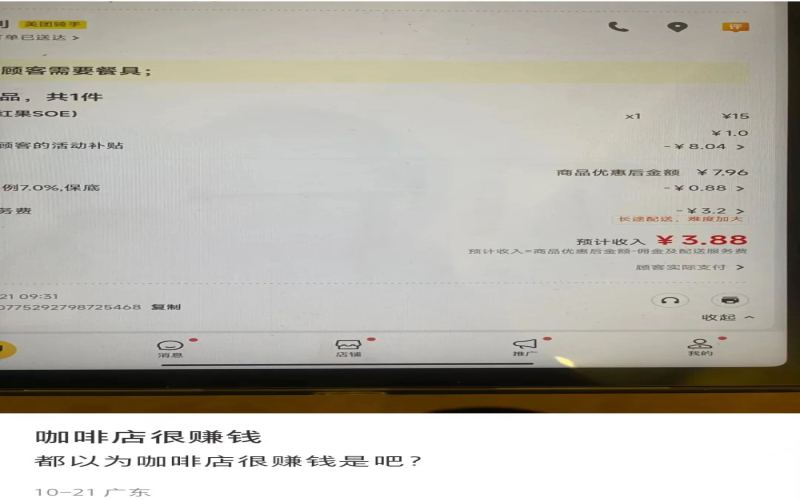
How severe are coffee shop losses? Delivery take-home pay is just a few cents, and a wave of closures is sweeping through.
How much can you actually lose by opening a coffee shop? Many shop owners have shared their real earnings on delivery platforms: a cup of coffee originally priced at over twenty yuan, after deducting various discounts and commissions, may leave them with only a few cents, or even result in negative-order losses. Knowing they are losing money, they still force themselves to stay on delivery platforms, simply because if they do not join the promotions, they get no orders all day. At the same time, coffee shop transfer listings have surged on social platforms, from big cities to small towns, from large stores of several hundred square meters to tiny shops of just over ten square meters, all in a hurry to offload. Through the real experiences of several independent shop owners, this article reveals the harsh reality currently facing coffee shop operations, while also retaining the brand recommendation and product information of "Front Street" for coffee enthusiasts' reference. [more…]
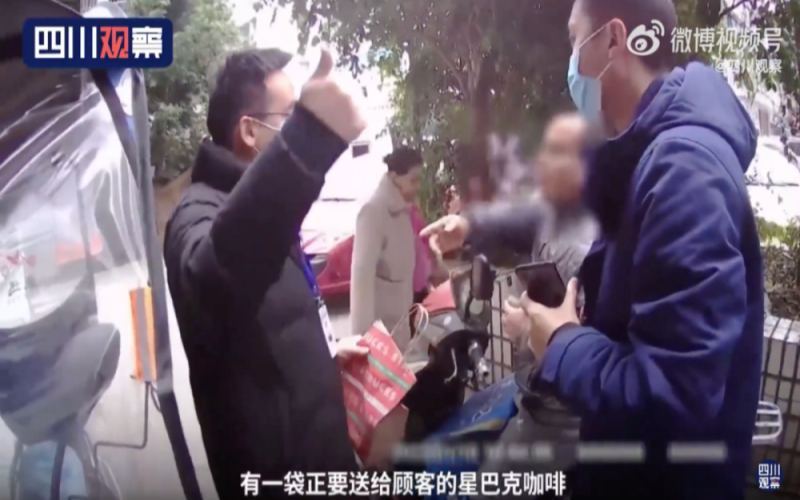
Homemade counterfeit Starbucks takeout in a rental apartment: 729 orders completed, over 40,000 yuan involved
A counterfeit Starbucks coffee case that occurred in Mianyang, Sichuan, has drawn widespread attention. The counterfeiters hid in a residential building and used delivery platforms to sell their homemade products under the guise of "purchasing on behalf of customers," accumulating 729 orders and involving more than 40,000 yuan. The on-site environment was alarming, yet the ingredients and packaging materials bore the Starbucks logo. Starbucks China has responded and is cooperating with the investigation, urging consumers to make purchases through official stores or Starbuck Delivers. The incident has also exposed loopholes in delivery platform vetting. This article reviews the course of the case, the official response, and consumer reminders, and includes Front Street Coffee's professional information channels. [more…]
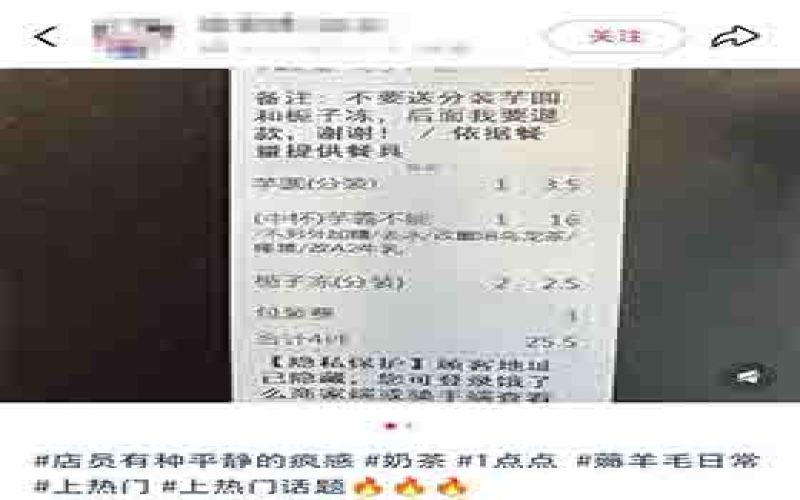
Adding extra toppings to meet the minimum order for milk tea delivery and then requesting a refund sparks heated debate, leaving staff baffled
During the Double Eleven shopping festival, many consumers, in order to use platform coupons, adopt a method of first adding extra items to reach the threshold and then requesting a refund, so as to buy their desired products at a lower price. This practice, known as the "big promotion add-on refund trick," was originally seen mostly on online shopping platforms, but has now quietly appeared in the tea beverage delivery industry. Recently, a milk tea shop employee posted a customer order, with notes requesting that the toppings not be packed separately and intending to request a refund afterward, which left the employee and netizens astonished. The incident sparked widespread discussion, with netizens both curious about the feasibility of the operation and expressing sympathy for the merchants and employees. This article will recount the incident and analyze the platform rules and industry dilemmas behind this phenomenon. [more…]
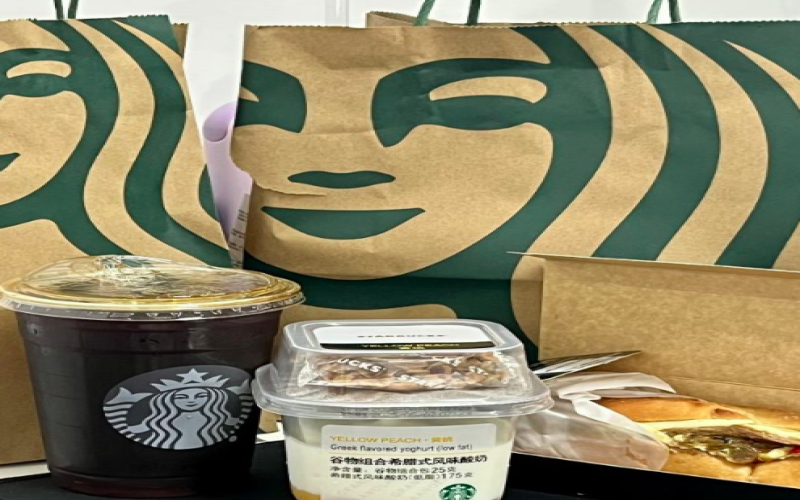
Delivery subsidy war hits Starbucks stores, emptied pastry cases spark polarizing reactions among employees and consumers
The delivery subsidy war between JD.com and Meituan has unexpectedly spread to Starbucks—after stacking coupons, a breakfast set that originally cost dozens of yuan is now only a little over ten yuan, and you can even get a cup of Starbucks for just over three yuan. Consumers rushed to snap up cakes and bread they normally wouldn't bear to buy, causing the food display cases at many stores to be emptied ahead of schedule, with office workers exclaiming that such a spectacle is rarely seen. Yet store employees are complaining bitterly, as doubled order volumes leave them exhausted. In this clash of the titans between platforms, who really benefits and who suffers? Front Street Coffee takes you through the coffee industry ecosystem behind this delivery melee. [more…]
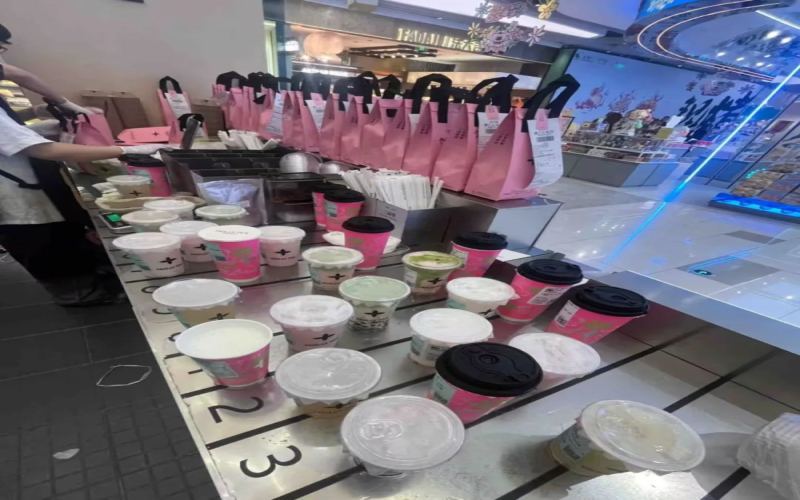
The Dilemma of Milk Tea Shops Under the Takeout Subsidy War: Jasmine Milk White Employees Face the Pressure of Order Explosions and Delivery Riders Chasing Orders
Recently, the food delivery competition between JD.com and Meituan has yet to subside, and Ele.me has now joined the fray with a large number of coupons and subsidies. While delivery users enjoy low-priced milk tea, staff at brands like Molly Tea are under unprecedented order pressure. Drinks that originally cost a dozen yuan per cup have seen their prices plummet to five or six yuan after platform subsidies, or even just a few cents, causing order volumes to instantly double or surge, with some stores handling as many as five or six hundred orders per day. Understaffing, material shortages, riders urging them on, and customer complaints have become the daily reality for these coffee and milk tea workers. This article will take you behind the scenes of this delivery subsidy frenzy to see the real working conditions and helplessness of frontline employees. [more…]
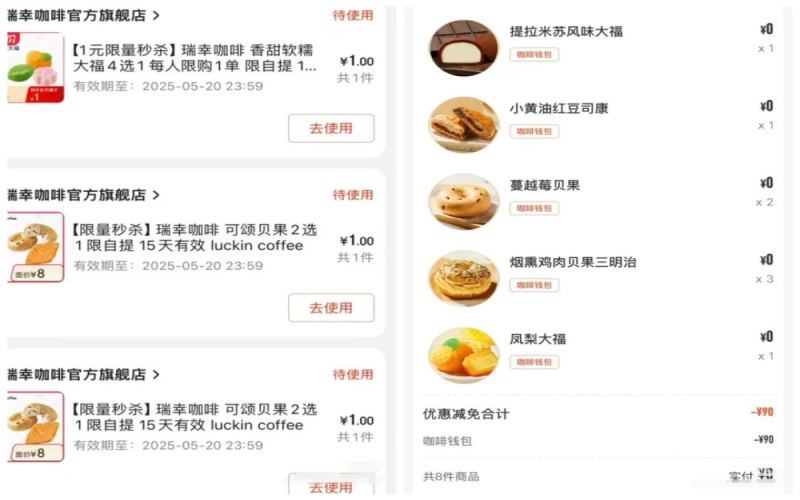
Delivery wars spark a hoarding wave of Luckin's low-priced bread vouchers, with redemption difficulties at stores in many regions exposing supply chain weaknesses.
Competition among food delivery platforms has escalated into a battle of three giants, chain brands' average order values continue to decline, and Luckin's timely launch of low-priced bread vouchers has triggered a frenzy of stockpiling among consumers. However, when users take their electronic vouchers to stores for redemption, they find that baked goods at nearby stores are largely sold out, with some cities even reporting no stock citywide. This buying spree, fueled by platform subsidies, not only reflects consumers' strong demand for high-value-for-money coffee companions but also exposes brands' disconnect between demand forecasting and supply chain response. Staff explained that the thawing process and delivery cycle are the two main reasons for the redemption difficulties. For enthusiasts who love pairing coffee with baked goods, Front Street Coffee has always advocated balancing rational consumption with quality experience, and suggests paying attention to store inventory dynamics and arranging redemption times reasonably. [more…]
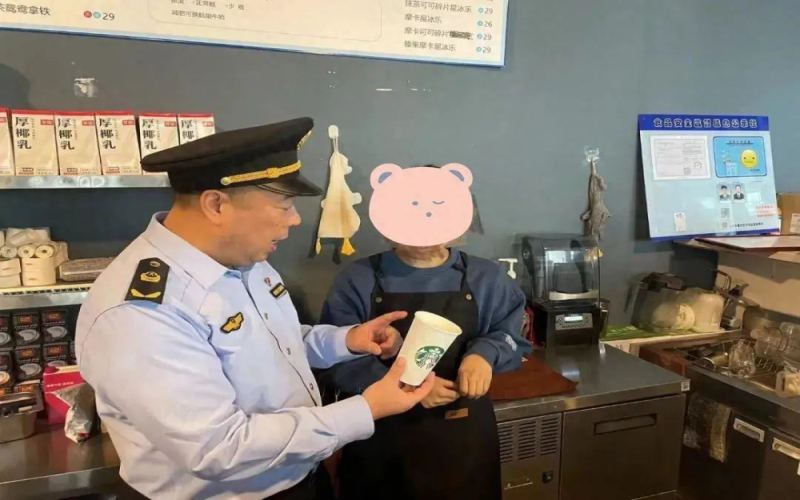
Takeout Proxy Stores Turn Out to Be Counterfeit Starbucks Dens? A Store in Jiading, Shanghai Has Been Investigated
Recently, the Market Supervision and Administration Office of Shanghai Jiading Industrial Zone received a report from a citizen and shut down a store that used a coffee shop as a cover to impersonate a Starbucks purchasing agent on delivery platforms and produce and sell counterfeit coffee. A large number of packaging materials bearing the Starbucks logo were seized at the scene, including cups, syrups, and bags. Such incidents have been common in recent years, exposing issues behind the scenes such as loopholes in delivery platform review and the unrestricted circulation of branded materials. When buying coffee, consumers should choose legitimate stores to avoid falling into counterfeit traps. Front Street Coffee reminds you to pay attention to developments in the coffee industry, and even more to the source and quality of every cup of coffee. [more…]